Understanding Auto Window Tinting
In today's world, auto window tinting has become a popular option for vehicle owners seeking to enhance their car's aesthetics, protect their interiors, and improve driving comfort. Many people often search for auto window tint near me to find reliable services that cater to these needs. This article will dive deep into the various aspects of auto window tinting, providing comprehensive insights and guidance for those looking to tint their vehicle windows.
What is Auto Window Tint?
Auto window tinting involves applying a thin film to the windows of a vehicle. This film is typically made from materials such as polyester, PVC, or even ceramic, and it is designed to filter sunlight and reduce the amount of ultraviolet (UV) radiation that enters the car. Auto window tint can come in various shades and styles, catering to the aesthetic preferences and functional requirements of vehicle owners.
Benefits of Auto Window Tint Near Me
Choosing to invest in auto window tinting offers multiple benefits. Here are some of the key advantages:
- UV Protection: High-quality window film can block up to 99% of harmful UV rays, safeguarding passengers and the vehicle's interior.
- Heat Reduction: Tinted windows can significantly lower the temperature inside a vehicle, making it more comfortable during hot weather.
- Increased Privacy: Tinting provides a higher level of privacy for passengers and belongings, deterring potential theft.
- Enhanced Appearance: A well-applied tint can improve the vehicle’s aesthetic, giving it a sleek and modern look.
- Glare Reduction: Tinted windows reduce glare from headlights and sunlight, enhancing driving safety.
Legal Considerations for Window Tinting
Before getting your windows tinted, it’s essential to understand the legal regulations regarding window tinting in your area. Laws concerning how dark the tint can be vary from state to state. Most states have restrictions on both the front windshield and the side and rear windows. Familiarizing yourself with these regulations ensures that you comply with the law and avoid potential fines.
Types of Auto Window Tint Available
Different Tint Materials Explained
Window tints come in various materials, each with distinct properties:
- Dyed Window Films: These films are affordable and provide a basic level of UV protection and privacy. However, they may fade over time and do not effectively reduce heat.
- Metalized Window Films: Featuring a thin layer of metal, these films reflect heat and UV rays while adding strength to the glass. They can interfere with electronic signals, which might be a concern for some car owners.
- Carbon Window Films: This type offers improved UV protection and heat rejection without the reflective surface. They do not fade and usually provide a more aesthetically pleasing finish.
- Ceramic Window Films: These high-end films do not contain metal or dye and provide excellent UV protection and heat reduction. They are also non-reflective, making them a popular choice among those seeking both effectiveness and aesthetics.
Solar Film vs. Privacy Film
When choosing a window tint, you may encounter terms like solar film and privacy film. Solar film primarily focuses on reducing heat and UV exposure, making it an ideal option for those in hotter climates or wishing to minimize air conditioning costs. In contrast, privacy film aims to enhance confidentiality by limiting visibility into the vehicle while maintaining a comfortable temperature. Understanding the differences can help you make an informed decision based on your requirements.
Choosing the Right Tint for Your Needs
Selecting the ideal window tint involves considering several factors:
- Your Location: The climate in your area plays a significant role in figuring out which type of film will work best for your needs.
- Legal Restrictions: Always check your local laws regarding window tinting to avoid penalties.
- Aesthetic Preferences: The style and color of the tint should align with your personal preferences and the vehicle's appearance.
- Budget: Different materials come at varying price points, so establishing a budget can help narrow down choices.
Finding the Best Auto Window Tint Near Me
Researching Local Tinting Services
When searching for auto window tint near me, researching local services is crucial. Start by looking for testimonials online, visiting social media platforms, or checking community boards for recommendations. A little research can help you find reputable businesses that have a history of excellent customer service.
Reading Customer Reviews and Feedback
Customer reviews are an invaluable resource when selecting a window tinting service. Look for reviews on third-party sites to gauge the experiences of others. Pay attention to comments on the quality of the tint, the speed of service, and the overall customer experience. Positive feedback can lead you to reliable options, while red flags in reviews should prompt further investigation.
Questions to Ask Before Choosing a Service
Before settling on a tinting service, consider asking the following questions:
- What types of window films do you offer?
- Are your window tints compliant with local regulations?
- How long will the installation process take?
- What warranties do you provide on your work?
- Can I see examples of your previous work?
These questions ensure that you choose a service that aligns with your needs and expectations.
The Window Tinting Process Overview
Preparation Before Tinting
Before the tinting process begins, there are a few preparatory steps that one should consider. Clean the windows thoroughly to remove any dirt, dust, or grease. Scheduling an appointment on a dry day is also essential since moisture can hinder the tint's adherence. Additionally, be aware of any manufacturer's warranties; some might be voided if modifications are made to the windows.
The Application Process Explained
The actual application of the window tint can vary but generally follows this process:
- Measurement: The technician measures each window to cut the film accurately.
- Film Preparation: The window tint film is cut and prepared for application.
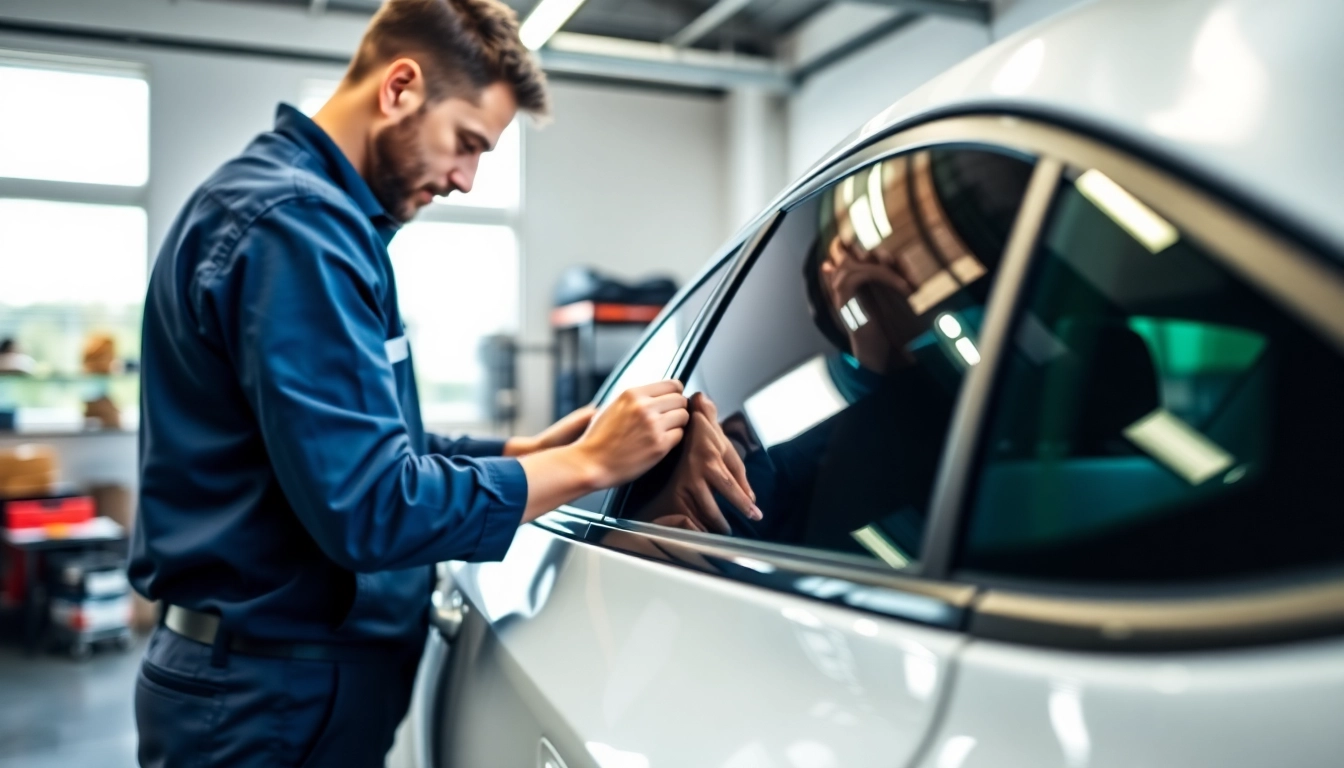
- Application: The film is applied to the interior of the windows, smoothed out to eliminate any air bubbles.
- Curing: The film needs to cure for a specific time, depending on the material, before it's considered fully adhered.
During the application, ensure to ask questions to understand the process better.
Post-Tinting Care and Maintenance
After the windows have been tinted, care and maintenance are vital for longevity:
- Limit roll-down: Avoid rolling down the windows for at least three days, as the tint needs time to cure.
- Clean with care: Use a microfiber cloth and avoid harsh chemicals that can damage the tint.
- Inspect regularly: Check for air bubbles or peeling and address any concerns with your tinting service as soon as possible.
Common FAQs About Auto Window Tint
What should I consider when choosing auto window tint?
Consider legal regulations, your location's climate, aesthetic preferences, and your budget when choosing auto window tint.
How long does the tinting process take?
The tinting process usually takes 2 to 4 hours, depending on the number of windows and the type of film used.
Will auto window tint affect visibility at night?
Quality window tints are designed to minimize glare and should not significantly affect visibility during nighttime driving.
Can I wash my car immediately after tinting?
It's recommended to wait at least 3-7 days after tinting before washing your car to allow the film to fully adhere: avoid high-pressure washes during this time.
How do I care for my new window tint?
Care involves avoiding harsh cleaners, using a soft cloth for cleaning, and refraining from rolling down the windows during the initial curing process.