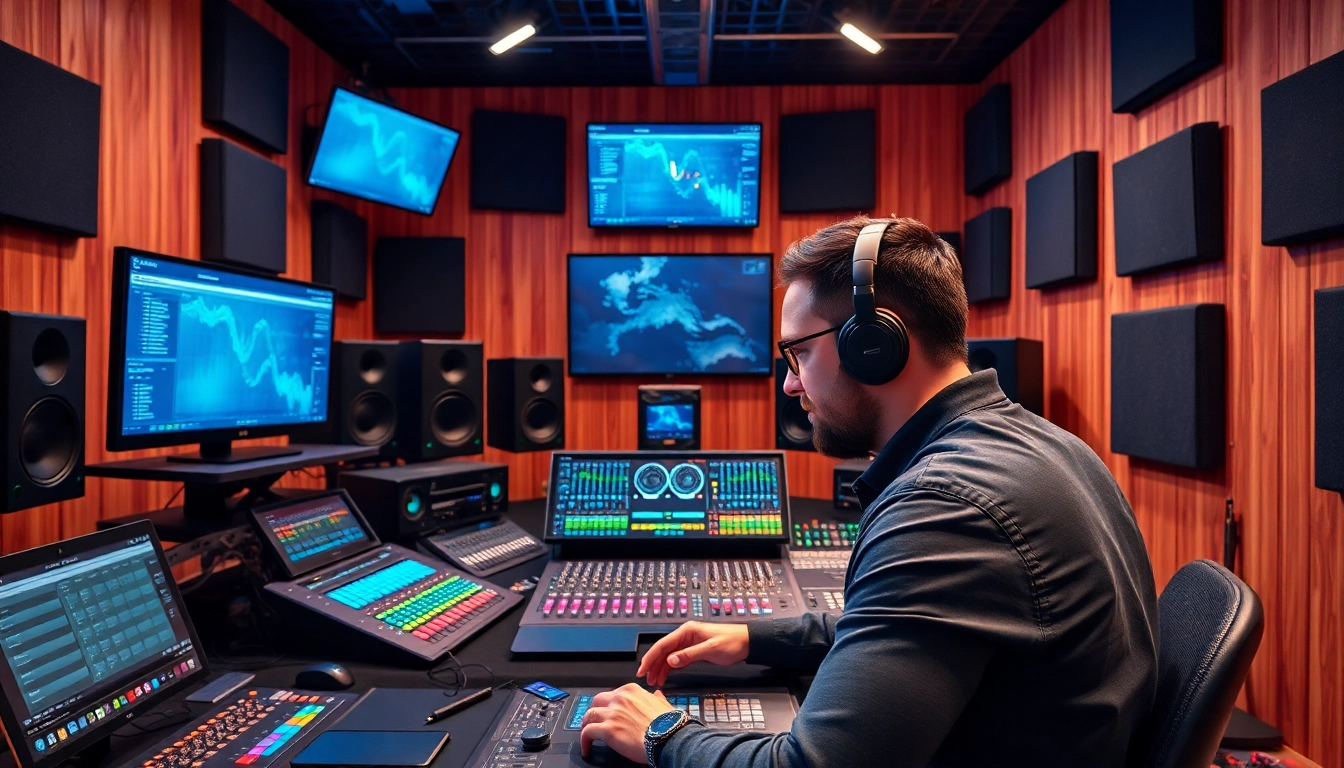
Understanding Online Audio Mastering
What is Online Audio Mastering?
Online audio mastering is a critical step in music production, where the final mix undergoes polishing to ensure it meets industry standards and translates well across various playback systems. This process is done by mastering engineers who apply a set of specialized techniques, ensuring that the tracks possess the desired loudness, clarity, and overall sonic consistency. Unlike traditional mastering studios, online providers offer flexibility and often more competitive pricing, allowing artists from all backgrounds to access professional audio services. As music moves towards digital consumption, understanding how online audio mastering works is essential for musicians looking to enhance the quality of their music.
The Importance of Mastering in Music Production
Mastering serves as the last step in the music production process, acting as a bridge between the finished mix and the final product. Its primary purpose is to optimize the sound, balancing levels, enhancing tonal characteristics, and ensuring uniform playback across different formats. A well-mastered track can improve listener experiences, prolong playback longevity on streaming platforms, and significantly impact the marketing potential of an album. The mastering phase also ensures compliance with loudness standards required by various broadcasting and streaming services.
Common Myths About Online Audio Mastering
Despite the benefits of online audio mastering, misconceptions about the process persist. One common myth is that mastering can fix a poorly mixed track; however, mastering is intended to enhance a competent mix rather than salvage a flawed one. Another misconception is that online services cannot achieve the same quality as in-person studios. With advancements in technology and skilled engineers working remotely, many online services produce results on par with traditional mastering facilities. Understanding these myths can help artists make more informed decisions when opting for mastering services.
Choosing the Right Online Audio Mastering Service
Factors to Consider When Selecting a Service
When selecting an online audio mastering service, several factors should be considered:
- Experience and Expertise: Look for engineers with a proven track record and experience in the genre of your music.
- Reviews and Recommendations: Checking reviews and seeking recommendations can provide insight into the reliability and quality of services.
- Quality of Technology: Ensure that the service utilizes high-end equipment and software to guarantee the best possible outcome.
- Turnaround Time: Consider how quickly you need the work completed, as this can vary significantly between services.
Comparing Pricing Models and Packages
The pricing models for online audio mastering can vary widely, from pay-per-track to subscription-based services. It's essential to understand what each package includes. While cheaper options present budget-friendly choices, they may lack some critical aspects of comprehensive mastering. Some services include additional offerings such as unlimited revisions or specific genre mastering. Analyze what fits your needs best; sometimes a slightly more expensive service might lead to a much better quality end product.
What Services Should Be Included?
A good online audio mastering service should provide several key components: stereo mastering, loudness optimization, EQ adjustments, and dynamic control. Additionally, look for services that offer a flat, analog-style mastering option rather than focusing strictly on digital transformations. Other potential add-ons might include the creation of different formats suitable for various platforms (e.g., vinyl or CD formats) and DDP images for physical releases, which can be crucial for artists planning diverse distribution methods.
Best Practices for Submitting Your Tracks
Preparing Your Audio Files for Mastering
Proper file preparation can significantly impact the outcome of your mastering session. Always submit your tracks in high-quality file formats, preferably WAV or AIFF, with a bit depth of at least 24-bit and sample rates of 44.1 kHz or higher. Ensure that your mixes are not overly compressed and that there is sufficient headroom (at least -3 dB) to allow the mastering engineer adequate space to work. This practice can prevent distortion and provide better sound quality in the final product.
Understanding Mix Reference Tracks
Including reference tracks in your submission can provide valuable context for the mastering engineer. These are professionally mastered songs that represent the sound, style, or dynamic range you aspire to achieve with your music. When providing references, ensure they are of similar genre and quality, as this helps the engineer understand your vision better. It’s also useful to note what specifically resonates with you about each reference track, whether it’s the vocal clarity, bass response, or overall tonal balance.
Tips for Providing Clear Instructions
Effective communication with your mastering service can yield excellent results. Be specific about your goals and expectations; articulate what you like about your mixes and what you would like to improve. Providing a song description can also be helpful, as it offers insights into the mood, style, and intended audience. Additionally, don't hesitate to ask for clarifications or express any concerns during the process for smoother collaboration.
Tracking the Progress of Your Online Audio Mastering
What to Expect During the Mastering Process
Once your tracks are submitted, the mastering process typically begins with a detailed review of your mixes by the engineer. They will analyze the tonal balance, dynamics, and overall consistency before starting the mastering adjustments. Most online services provide a timeframe for completion, and many offer updates or previews at different stages. Understanding the timeline allows you to manage your expectations and plan your release accordingly.
How to Communicate with Your Mastering Engineer
Good communication is vital throughout the mastering process. Most online services offer a platform for direct communication through messages or notes. Be open about any concerns you have as the process unfolds. Constructive feedback is essential; rather than simply stating what you don't like, focus on specifics, such as frequencies that may be too harsh or areas that lack presence. This ensures that the mastering engineer can make targeted adjustments to align the master closer to your vision.
Revisions and Final Approval
After receiving the initial master, take time to listen to it across different playback systems—such as on headphones, car speakers, and home systems—to ensure it translates well in all environments. If revisions are necessary, communicate them clearly, referencing specific sections of the track. Many services offer a certain number of revisions included in their price, so take advantage of them to refine your music to perfection before giving final approval.
Evaluating the Results of Online Audio Mastering
How to Critique the Finished Master
Critiquing your finished master is an essential final step in the music production process. Pay attention to the overall balance of the mix: Are the vocals clear? Is the bass punchy yet well-defined? Is there a pleasant dynamic range that keeps listeners engaged? Listen on various systems to gauge how the master translates across different environments. Taking notes will help you identify strengths you like and areas that may need improvement or future adjustments.
Understanding Loudness and Dynamics
Loudness is a crucial metric in mastering, affecting how your track compares in volume to other songs on platforms. However, it’s essential to balance loudness with dynamic range; overly compressed tracks can lose their musicality. The best mastered tracks maintain both punch and clarity, allowing the music to breathe. Familiarizing yourself with loudness standards, such as LUFS (Loudness Units Full Scale), can provide useful benchmarks for your audio and ensure it fits industry norms.
Using Feedback to Improve Future Masters
Gathering feedback from trusted sources after your release can be incredibly beneficial for future projects. Peers, industry professionals, and fans can offer perspectives you might overlook. Consider their insights seriously; refining your approach is essential for growth. Creating a checklist based on previous experiences can also streamline and enhance future mastering submissions, helping you to achieve increasingly better results with each new track.
Frequently Asked Questions
What is the difference between mixing and mastering?
Mixing involves combining and balancing individual audio tracks, while mastering is the final polish to ensure the entire song sounds cohesive and professional.
How long does the online mastering process take?
Turnaround times can vary but typically range from 24 hours to a week, depending on the service's workload and your specific requirements.
Can I submit more than one track for mastering?
Yes, most online mastering services accept multiple tracks, often providing discounted rates for albums or EPs submitted at once.
Do I need to pay for revisions in online audio mastering?
Many online mastering services include a certain number of revisions in their packages, but check beforehand, as policies can vary by provider.
What if I don’t like the master I receive?
If you're unsatisfied, communicate clearly with the mastering engineer about specific issues. Good services usually offer revisions to address your feedback and get closer to your vision.